Steamed Blue Crabs

We love blue crabs too, as much as people in Louisiana and Maryland if no more.  The most popular way to cook blue crabs in United States is to boil them with spices, potatoes, and other seafood.  When done, buckets of crabs and seafood are unloaded onto a table in front of customers.  All you have to do is to crack them open and eat!

But the way we eat them is slightly different from American people.  We value and enjoy the crab roe more than crab meat itself.  Most of time, only female crabs are among best sellers when it comes to seafood.

I bring back 4 to 5 pounds of female blue crabs from Asian grocery store.  The female ones are not as easy to find as the male ones.  I always stick to female ones because of their better taste and flavors, especially the ones with crab roe inside.  

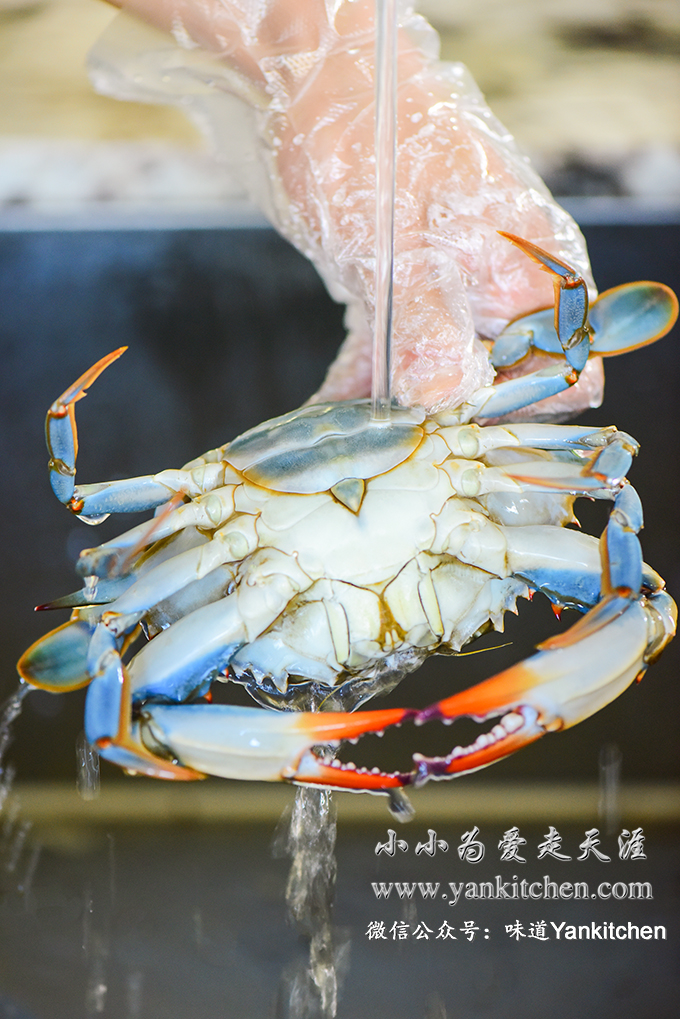
Use a small brush to thoroughly clean the crabs under running water.

Set aside the cleaned crabs.

Fill a large pot with water.  Heat over high heat until water boils.  Add a steamer basket.  And then add crabs to the pot, belly side up.

Remember to pick energetic crabs like these.  They have the best taste.

Cover with lid and continue to cook over high heat for 10 minutes.

Now it is done!

Crack one open. You can see the beautifully golden crab roe.

The crab roe has a mild and delicate taste. It is sweet and slightly savory, fatty and flavorful.  The texture is mildly grainy and tastes a lot like across caviar and hardboiled egg yolk.

The most traditional dipping sauce for crabs in China is made with rice vinegar and finely shredded ginger roots. 

Smoked Sausage with Pork, Beef and Cheese

中文菜谱: 奶酪熏肠

After smoking ducks, chickens, ribs and beef briskets, I finally move on to sausages!  The electric smoker is truly a great addition to my kitchen O(∩_∩)O~

Ingredients:

2 pounds pork belly
1 pound beef chuckeye
2 tablespoons paprika
1/4 teaspoon ground ginger
1 teaspoon onion powder
1 teaspoon garlic powder
1 teaspoon of your favorite grill seasoning ( I use McCormick Montreal steak seasoning
1/4 to 1/2 teaspoon freshly grinded black pepper
1 to 2 teablespoons brown sugar
1/3 to 1/2 cup of shredded parmesan cheese
1 to 2 teaspoons corn starch
salt to taste
chicken stock/ water(about 1cup)
sausage casing

Directions:

Dice up pork belly and beef chuckeye.  Finely grind them together with a meat grinder

Add paprika, ground ginger, onion powder, garlic powder, grill seasoning, black pepper, brown sugar, parmesan cheese, corn starch and salt.

With a pair of chopsticks or wooden spoon, whisk clockwise until the meat mixture becomes sticky and elastic.  Add chicken stock / water in between little by little.  Make sure all the liquid is absorbed before adding more stock. 

Switch meat grinder attachment to sausage stuffing attachment.

Prepare sausage casing

Start stuffing sausage

Use a thin bamboo stick to aerate the sausage.  By doing so, we can get rid of extra air bubbles inside the sausage to make sure even cooking and they will not explore during cooking process.

Preheat the smoker to 225F/107C

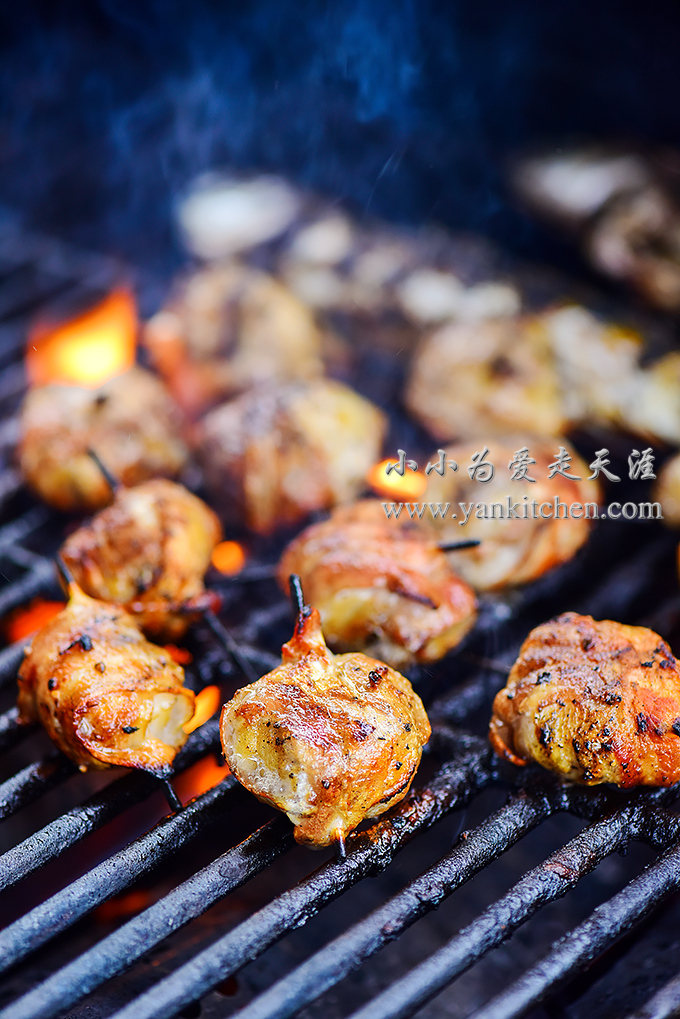
Add sausage.

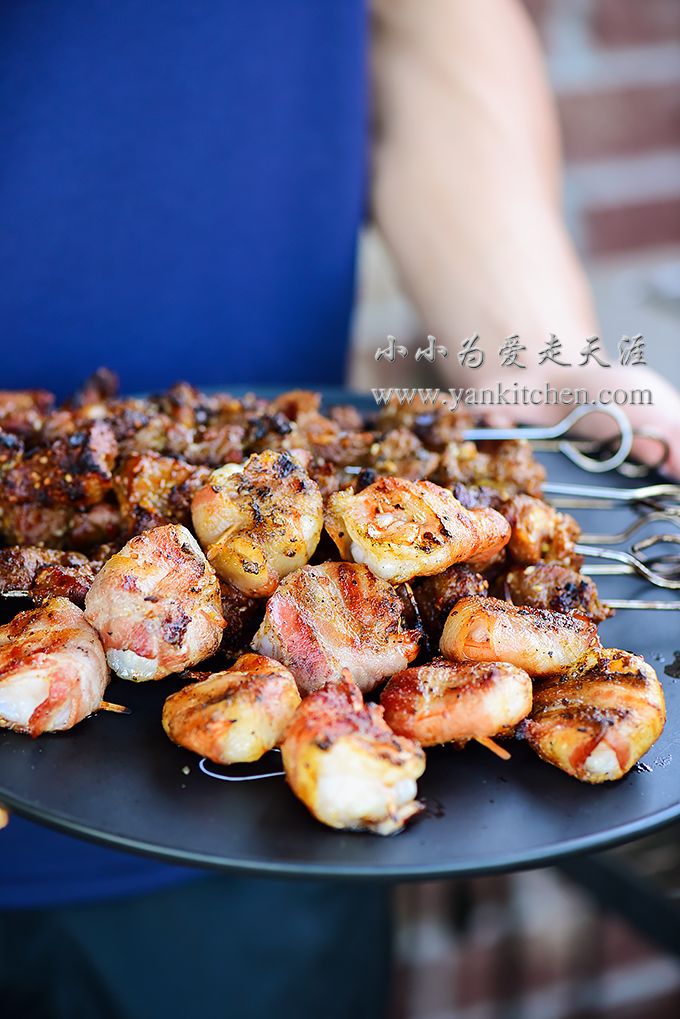
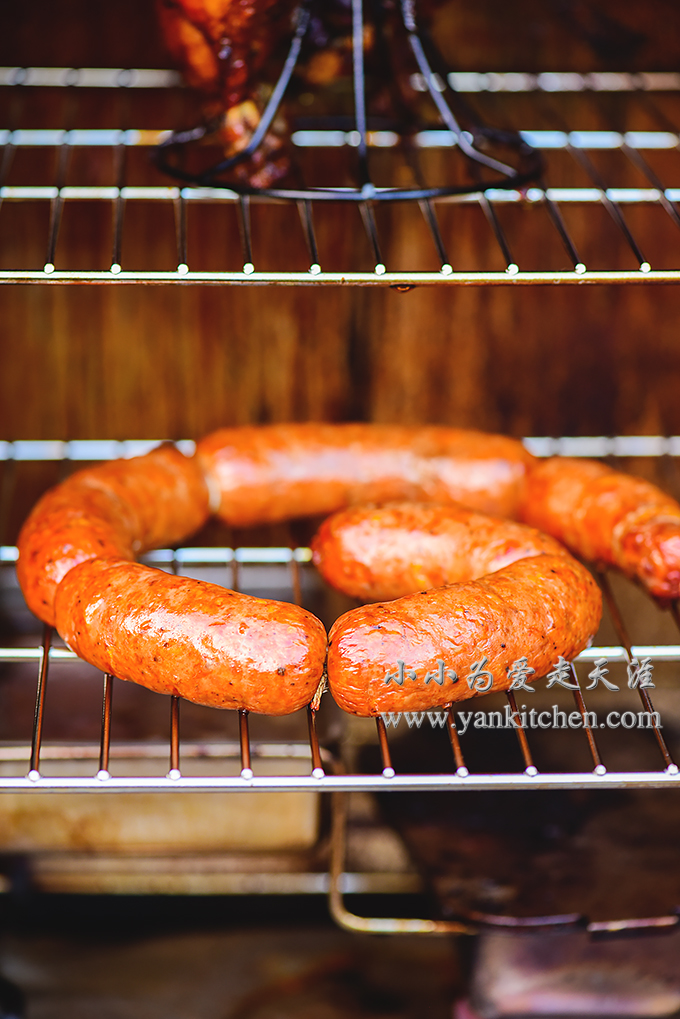
3 to 4 hours later.  Aren’t they pretty?

The sausages are golden brown, smoky, a bit crunchy and crispy on the outside, but very tender and juicy on the inside.  All the spices in there and parmesan cheese are the reason how the sausages get so flavorful. O(∩_∩)O~

"味道Yankitchen“ now is an Wechat Official Account!

Wechat is a widely popular social network apps in China and some other Asian countries, all due to its super powerful influences in messages texting, social media and mobile payment all combined together. That is right, try to imagine what it is like when Instagrm, facebook, tweeter, and paypal all merge into one single apps. Now get the idea?

Yankitchen now is on Wechat too! Search “味道Yankitchen“, or simply extract QR code from the following photos, and follow us on Wechat!

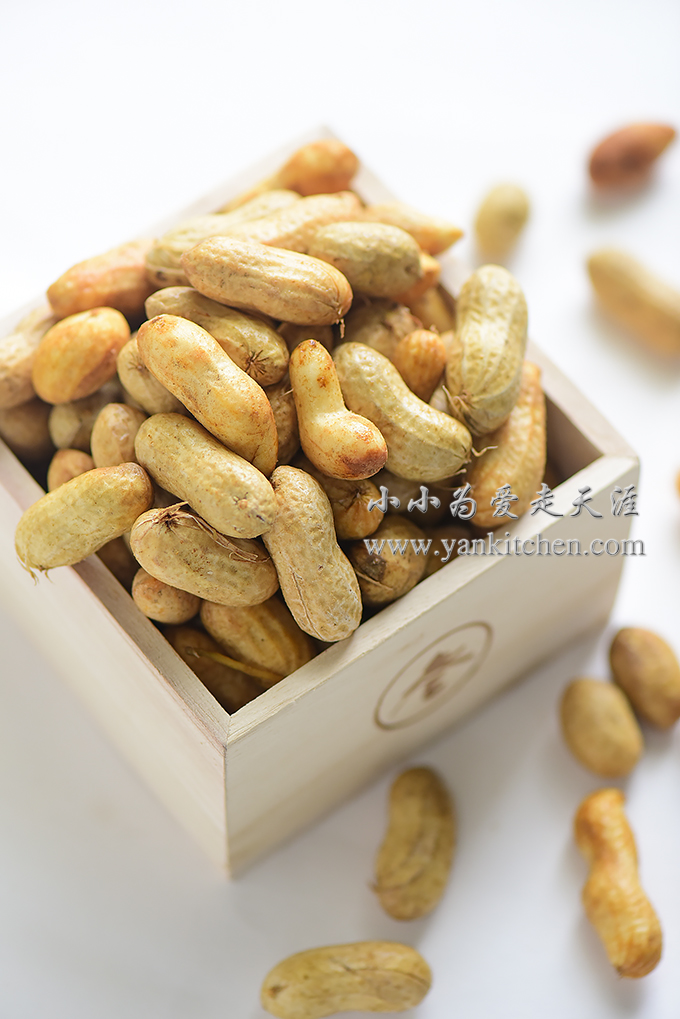
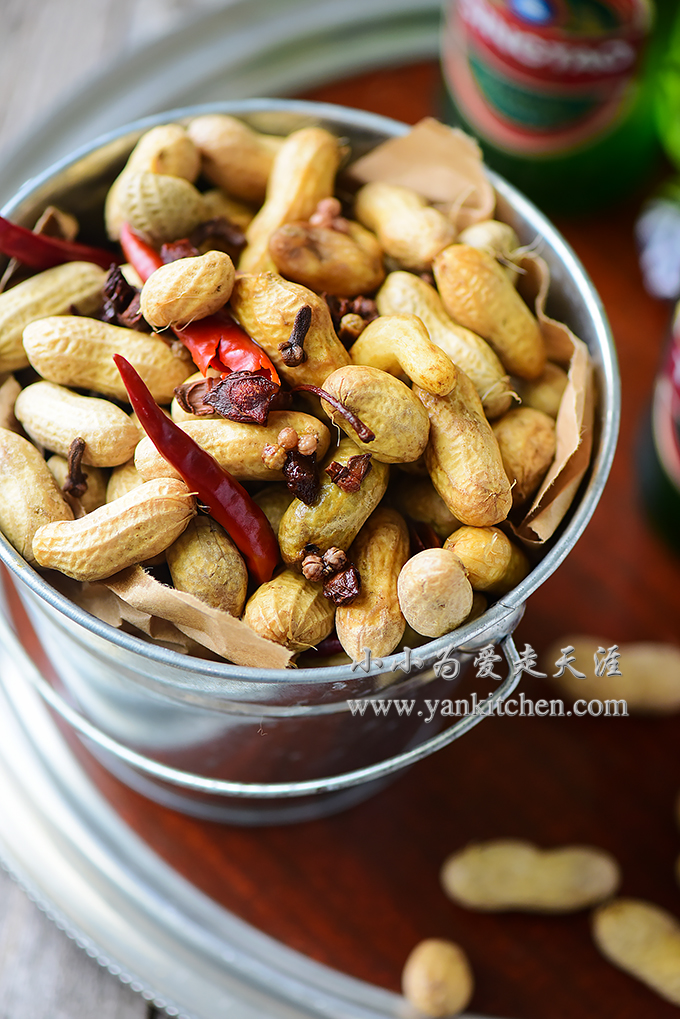
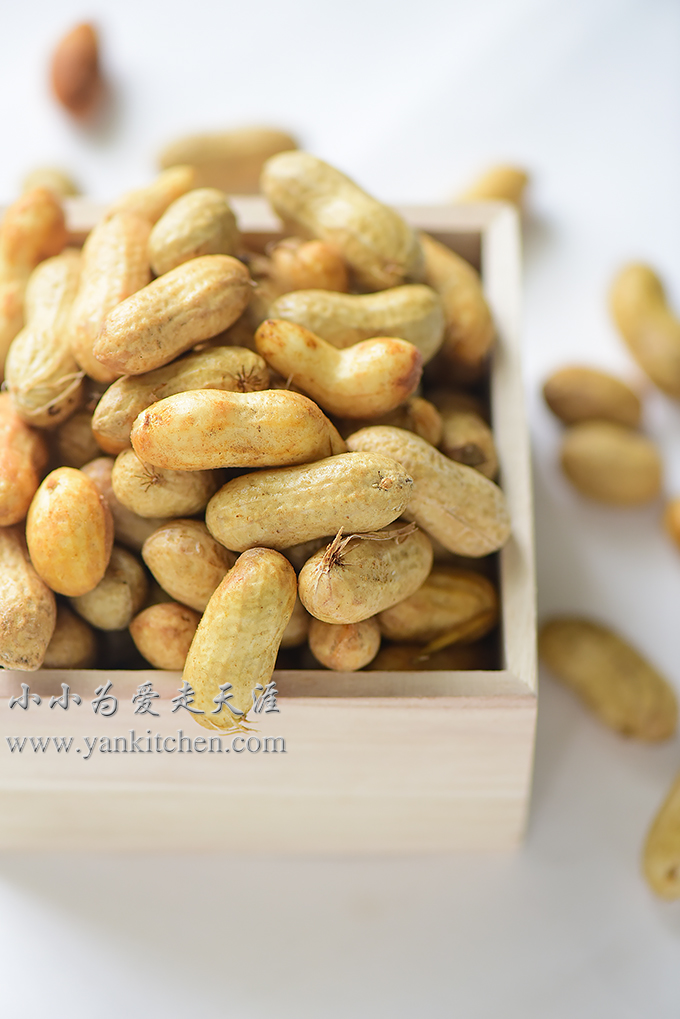
Boiled Young Peanuts

中文菜谱: 盐水煮嫩花生

It is September already.  Fall and cool air have not arrived at Houston yet.  It is still very hot and humid outside, like we are still in the middle of a super long summer.

However, fresh produces sold on the market are beginning to show the signs of fall.  New crop of peanuts are in season now.  Oh gee, I can’t describe how much I love these young peanuts recently dug up from underground.

A lot of people love boiled peanuts.  But not so many have tried young peanuts.  They are a bit less crunchy than the regular ones, but they are packed with such a sweet, refreshing, nutty, and earthy flavor. 

Ingredients:

1 lb young peanuts
2 to 3 star anises
1 to 2 teaspoons Sichuan peppercorns
3 to 4 cloves
2 bay leaves
5 to 6 dried chili peppers
sea salt to taste
water for boiling

Directions:

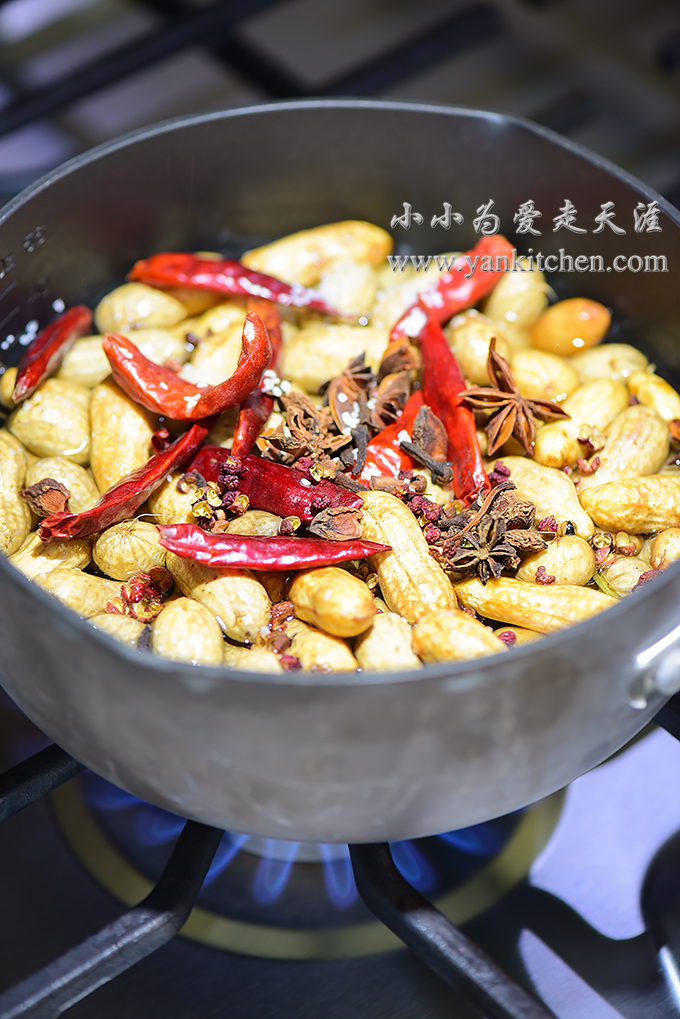
Thoroughly rinse the peanuts under running water.  Add to a small stock pot, along with spices and seasonings and water.

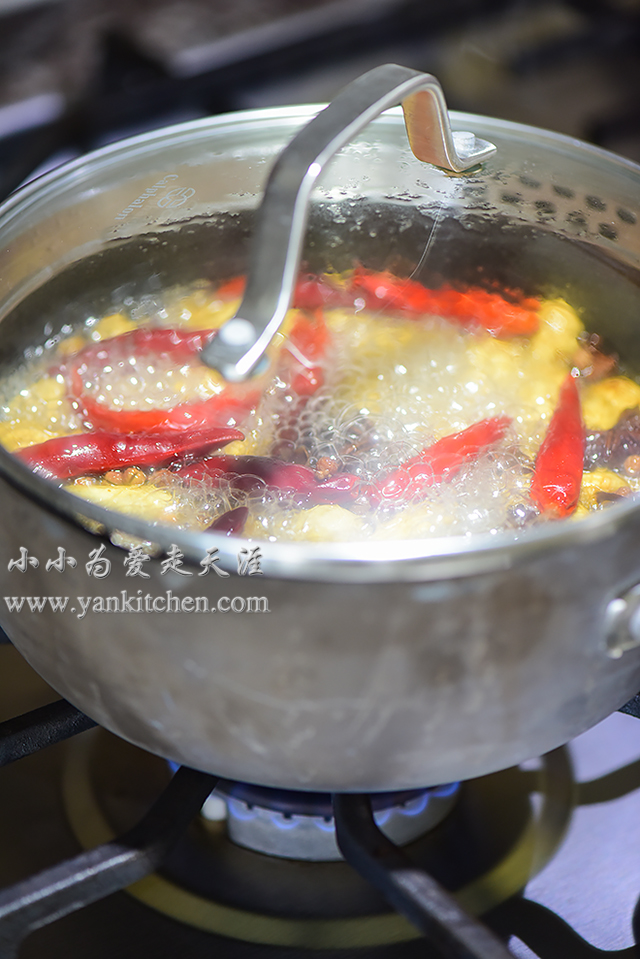
Heat over high heat until the water boils.  Cover with lid.  Reduce the heat to simmer for 15 minutes.

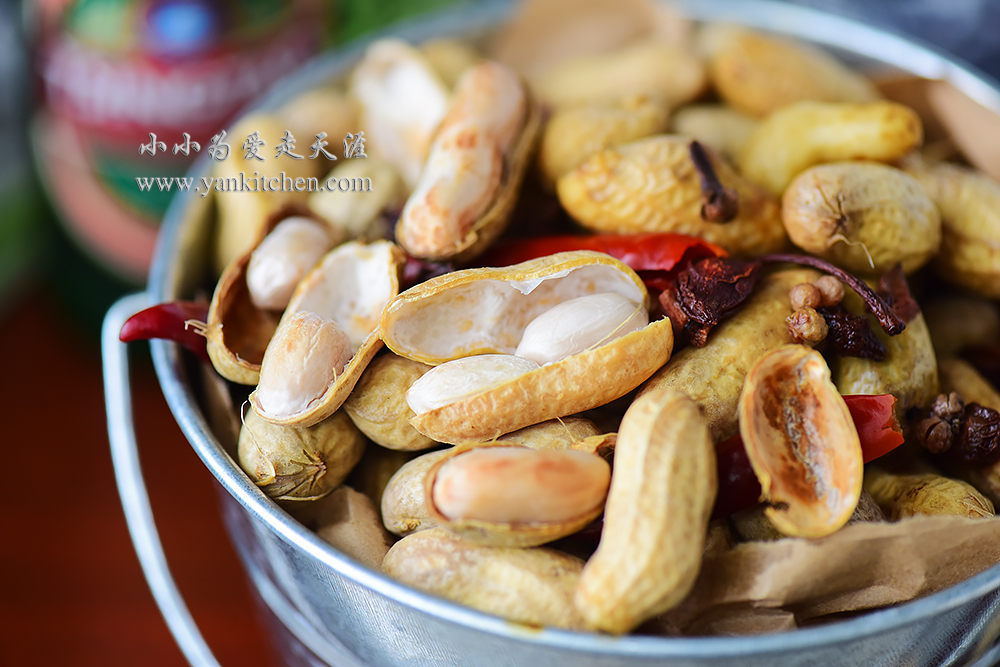
I keep the boiling time so short to preserve the crunchy texture from young peanuts.  If you prefer softer and tender texture, extend the cooking time to 30 to 40 minutes or more if needed.  

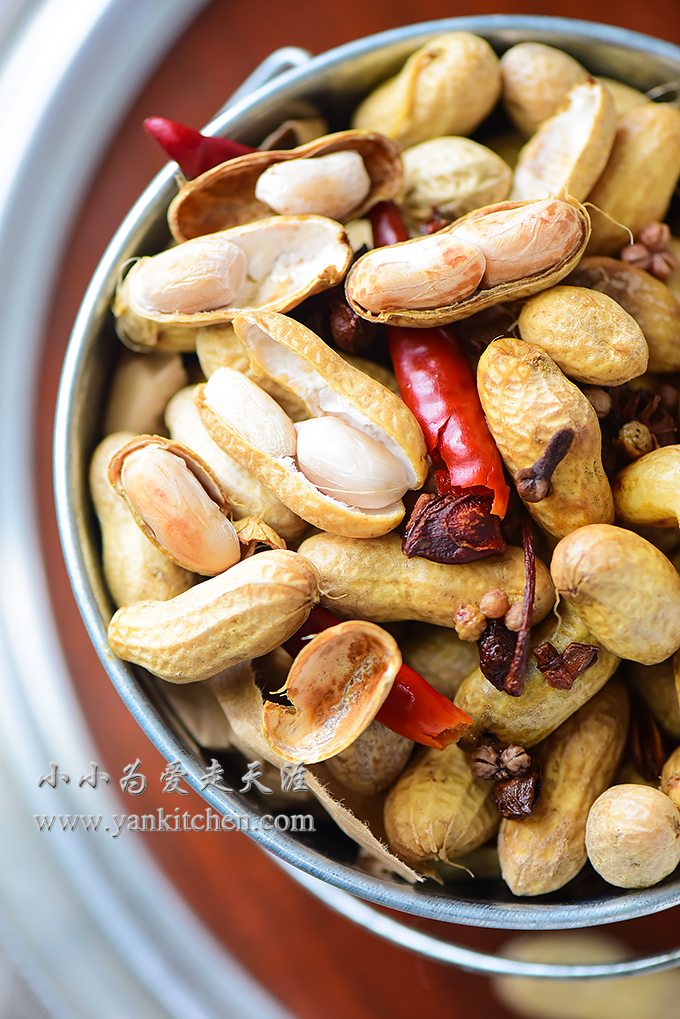
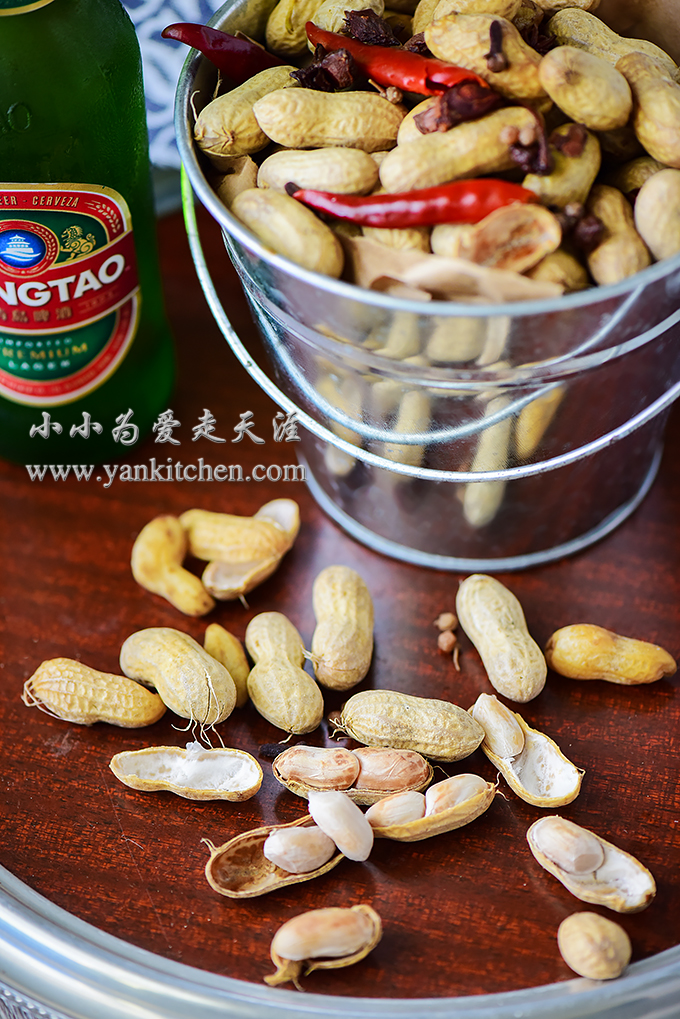
Boiled peanuts and a cold beer, what a pleasant treat! O(∩_∩)O~

Pickled Young Ginger Roots

Pickled vegetables have been a long time tradition in my hometown in China.  Most vegetables thrive in summer but hard to find in other seasons, so that our ancestors developed such a way to preserve excessive vegetables for later use.  Actually similar vegetable pickling techniques have been used in many places all over the world, with minor differences in the process and ingredients. 

Most southern Chinese families keep one or more pickling jars in the kitchen.  These pickling jars are different from all we can see on grocery markets in the States.  There are deep V shape edges on the top of the jars where water would be added to keep the whole jar aid-tight. 

I have been looked over everywhere to such a pickling jar in America but came up with none.  So I brought back one from a trip back to China a couple years ago. 

Pickling ingredients and methods vary from area to area too.  I mostly do Sichuan style pickling which involves lots of peppers, Sichuan peppercorns and other Asian spices.   

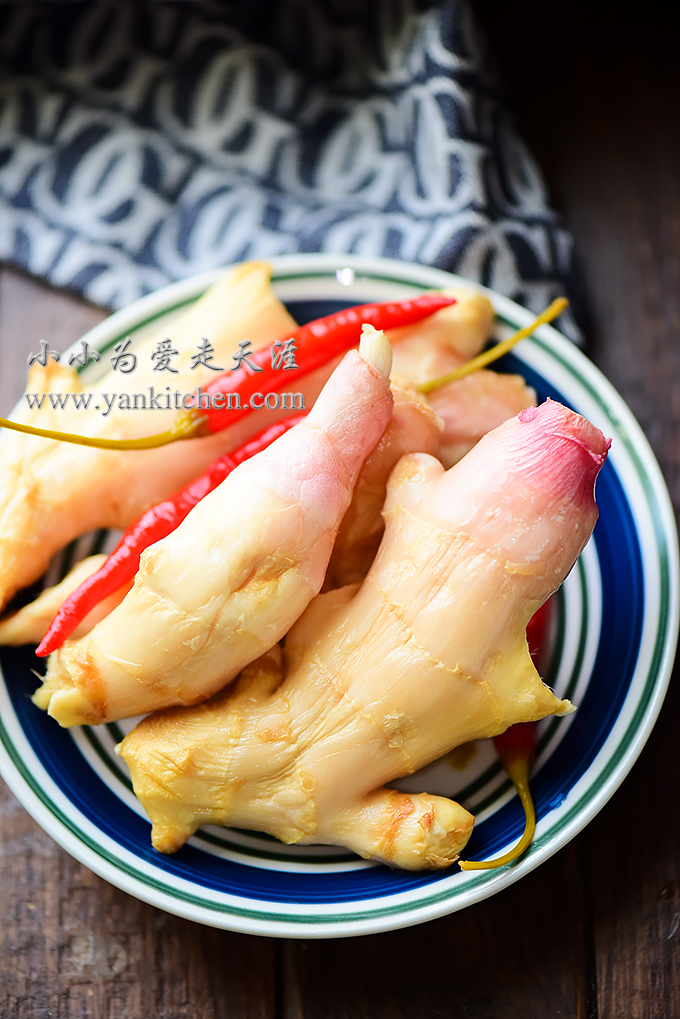
Pickled young ginger roots are one of my favorites.  But the thing is, it is extremely hard to find fresh young ginger roots on the market.  I guess not that many people know how delicious they are. 

I was so happy when I finally found some in an H-mart grocery store.

Rinse the young ginger roots under running water.  Pat them dry with kitchen paper towel or air dry with cool air in a food dehydrator.

Add to the pickling jar, and sprinkle some with a handful course sea salt.  The pickled vegetables should be ready in about a week. 

The pickling juice from the jar is the key to success.  The best way to start pickling is to buy a small jar of authentic Sichuan style pickles from the nearest Asian grocery store.  Use it as the starter.

Add cold boiled water, rice wine, sea salt, Sichuan peppercorns, cayenne peppers, garlic cloves, star anises, cloves, sugar and some other spices of your choice to the jar.  Seal the edge with water.  Wait for 3 to 4 days.  You should now have a jar of pickling juice to begin with.

 Add vegetables to the jar and they would be done in about one week.  The more you pickle vegetables, the richer and more delicate flavor the pickling juice would be.  

This time, I make pickled young ginger and long beans.  Both of them are popular pickles in southern China too.

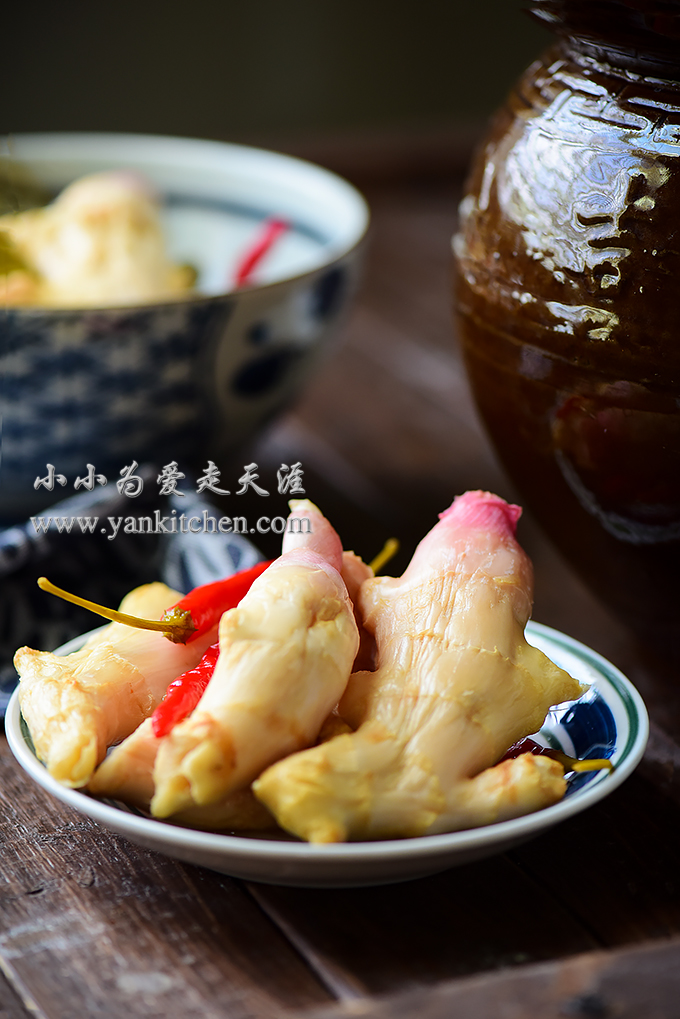
They taste very crunchy, a bit tangy, savory and very flavorful depending on the spices used in the pickling process.  

Young ginger roots are more tender, crunchy, and a lot less spicy than the regular ginger roots.  Yum! O(∩_∩)O~